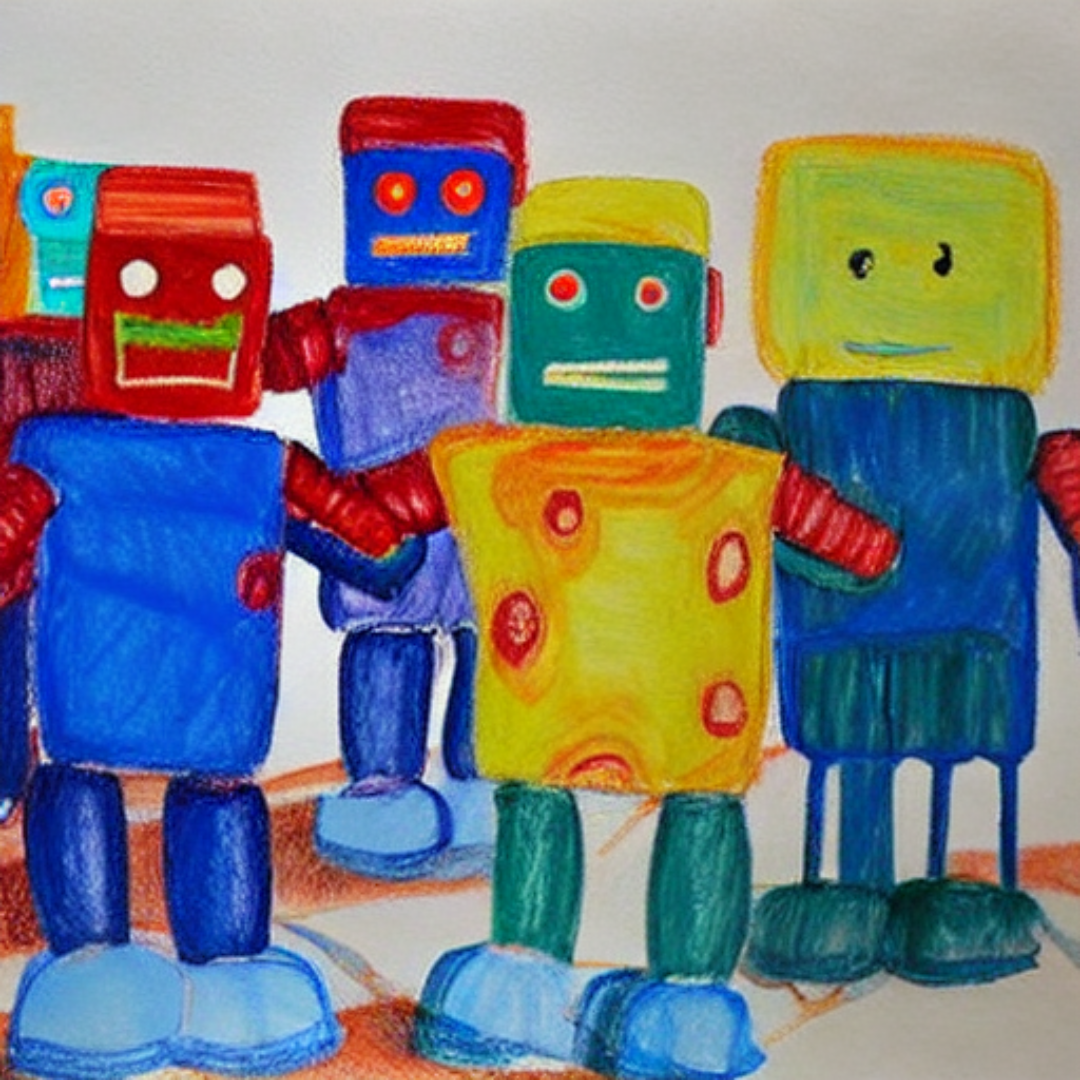
This is the madlads stack — the real one, built and run in production by Scott long before "AI" or "vibe coding" was a phrase anyone used. It did not come out of a generator. It was designed, shipped, broken, fixed, and hardened the hard way: in production, under load, by one engineer who owns every layer.
The V in this MEVN stack is Vanilla JS — no Vue, no React, no framework runtime shipped to the browser. Every service is server-rendered with EJS and driven by hand-written JavaScript. That was a deliberate call years ago, and it still pays off every day: fast pages, less to break, and nothing between the engineer and the machine.
Open-source, all the way down — the tools the madlads stack is built on.
The layers, and what each one does
- M — MongoDB. A document store per service, accessed through a mix of Mongoose schemas and the native driver. Users, content, world state, and sessions live here. Sessions persist to Mongo, so logins survive restarts and scale across the fleet.
- E — Express. The backbone of every service, with a consistent project shape — routes, services, models, views, public — so any service is legible the moment you open it. Middleware is layered deliberately: compression, logging, CORS, security headers, sessions, then auth.
- V — Vanilla JS. The deliberate choice. The client is plain JavaScript — including a full Three.js 3D renderer and Tone.js client-side audio — with zero framework overhead shipped to the user. No hydration tax, no virtual DOM, no framework churn.
- N — Node. Long-lived Node services, each pinned to its own port and managed as an isolated process. Real-time features run on Socket.IO; scheduled work runs on node-cron.
A fleet, not a monolith
madLadsLab runs as a constellation of independent Express services on a single VPS, each in its own tmux session on its own port. That buys isolation without the operational weight of containers everywhere.
- Process isolation — a crash or restart in one service never touches the others. Restarts are surgical and per-session, never a blunt process sweep.
- A watchdog layer keeps the fleet alive and brings it back cleanly after a reboot.
- A shared SSO platform centralizes authentication, so any service can defer to it for login and permissions instead of reinventing auth.
- A multi-tenant core resolves each request by domain to its own isolated database and brand — tenants never share data.
Security, layered in by default
Security here is not bolted on at the end — it is wired into the middleware stack of every service, the way years of running real sites teaches you to build.
- Hardened HTTP headers on the front of the request pipeline.
- Password hashing with bcrypt — credentials are never stored in the clear.
- Session integrity through Mongo-backed sessions, plus signed JSON Web Tokens for stateless contexts.
- Federated identity via Google OAuth, so users sign in through providers they already trust.
- Encryption at rest — per-tenant secrets are stored AES-256-GCM encrypted and only decrypted in memory.
- Abuse resistance with rate limiting on sensitive endpoints, plus honeypot and spam filtering on public forms.
- Strict authorization gating — admin surfaces sit behind explicit permission checks, not hidden routes.
- Secrets discipline — every credential lives in a gitignored environment file, never in code, docs, or commits. The repo is treated as public: if a secret ever lands in history, the rule is scrub and rotate.
Industry Standards, all the way down — the security the madlads stack is built on.
Built by discipline, not by autopilot
This stack is the product of production discipline, not autocomplete. Schema design, middleware, auth, real-time rendering — all of it was built and proven by Scott across real deployments serving real businesses. The conventions baked in here — surgical restarts, secrets that never touch a commit, tenant data that never bleeds across boundaries — were earned in production, not handed over by a tool.
AI rides along as a support tool. It speeds up the typing, drafts the boilerplate, and rubber-ducks the edge cases — under Scott's direction, against his standards, on a stack and a set of production disciplines that existed long before it showed up. The judgment, the architecture, and the accountability stay human. AI supports the madlad; it is not the madlad.
Why it matters
The stack is a bet that fundamentals beat fashion. Server-rendered pages and vanilla JavaScript mean less to break and nothing between the engineer and the browser. A fleet of small Express services keeps problems contained. A security model baked into the middleware means safety is never optional. And a single owner who has run this in production for years means the whole thing moves fast without falling apart. MongoDB, Express, Vanilla JS, Node — this is the madlads stack, proven long before the hype, with AI now along for the ride. That is madLadsLab.
The Roadmap
Real Hardware! Real Power!
There's a real opportunity in owning the middle ground. The stack goes beyond cloud applications. We make our own mesh — we make our own rules. Remove the smoke and mirrors and get back to business: a better experience on the web, and for our data, privacy, and security.
Server Hubs
mLL's Hubs in Test Cases
- Dallas
- Denver
- Chicago
- Seattle
mLL's Servers in Test Cases
- Independent VPNs
- Databases
- Bucket storage
- Fast delivery — CDN + edge nodes
- Private Independent Authentication
- AES-256 encrypted vaults